
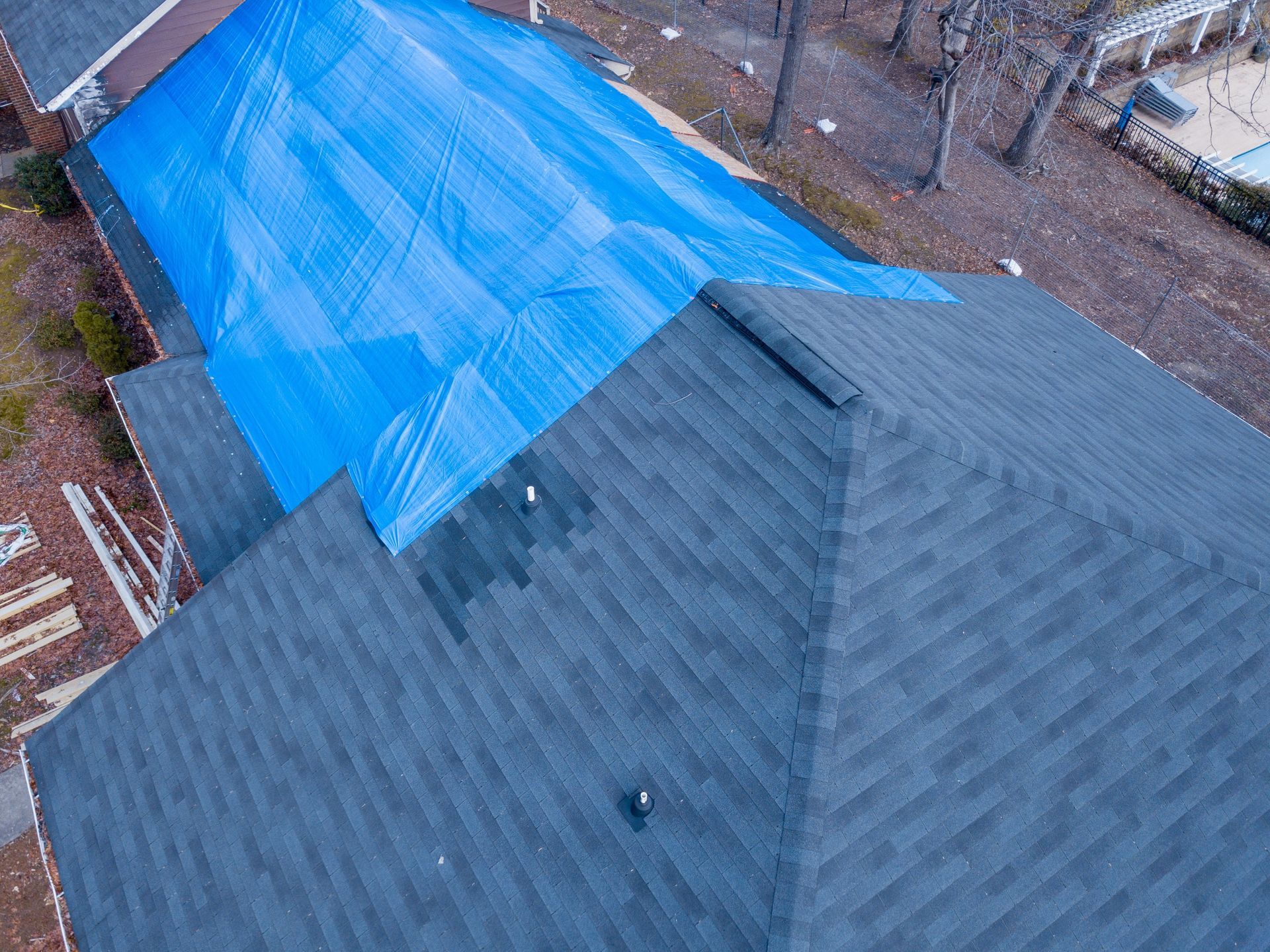
Immediate Response When Storms Strike
Emergency Roofing Services in Defiance for urgent damage from severe weather, fallen debris, and sudden leaks requiring immediate action
A tree limb crashes through the roof during a nighttime storm, rain pours directly into your bedroom, and you need someone to assess the damage and stop the water before everything inside is ruined. Emergency roofing work focuses on protecting the property right now, then determining what permanent repairs will involve once the immediate crisis is contained. Primal Roofing & Restoration offers 24 emergency availability in Defiance, St. Louis, Granite City and surrounding areas because storms don't follow business hours, and the difference between a tarp installed within hours and water pouring in all weekend is often thousands of dollars in additional interior damage. You'll see the emergency response focus on securing the opening, documenting what happened, and explaining what comes next once conditions allow permanent work to proceed safely.
Emergency roofing services involve assessing the affected area to understand how large the opening is and whether structural components are compromised, installing temporary protection such as tarps secured against wind and further rain, and removing hazards like unstable debris or damaged materials that could cause additional harm. The goal is stabilization, not final repair, because permanent work requires daylight, dry conditions, and often materials that aren't kept on trucks for middle-of-the-night calls.
Call immediately when storm damage creates an active leak or structural opening that threatens your property.
What Emergency Roofing Protection Involves
The first step is determining whether the damage allows temporary coverage or requires more involved stabilization, such as bracing a sagging section or removing a partially detached tree before tarping can happen safely. Emergency visits prioritize stopping water entry and preventing the situation from worsening before morning, when permanent repair planning begins with better visibility and access to materials.
Once temporary protection is in place, you'll notice that rain no longer enters the house through the damaged area, the tarp remains secure even when wind picks up, and you have a clear explanation of what happened and what the permanent repair will likely involve based on initial observations. Communication during emergency calls focuses on what's being done immediately and what decisions can wait until the crisis passes, so you're not pressured to approve major work while standing in your attic at two in the morning watching rain pour in.
Missouri's severe weather exposure means emergency calls often follow hail damage that punctures shingles across large areas, straight-line winds that peel back entire roof sections, or falling trees that create openings requiring structural evaluation before roofing work even begins. The emergency response documents conditions for insurance purposes while focusing on property protection, and permanent repair recommendations follow once the full extent of damage is visible in daylight.
Common Questions About This Service
Homeowners facing sudden roof damage often ask about response time, costs, and what happens between the emergency call and final repairs.
How quickly can emergency roofing service arrive?
Response time depends on call volume during widespread storm events and travel distance, but the goal is reaching properties within hours to prevent ongoing water intrusion while conditions remain active, recognizing that severe weather affecting multiple homes simultaneously can extend arrival times beyond typical response windows.
What does emergency tarping actually protect?
A properly secured tarp stops rain from entering the damaged area and prevents wind from driving moisture under surrounding shingles, but it's a temporary measure that requires monitoring and may need adjustment if high winds shift the covering or additional damage occurs nearby.
Will insurance cover emergency roofing services?
Most policies cover necessary steps to prevent further damage after a covered event, including temporary protection and emergency stabilization, though you should document all work and costs for your claim and confirm coverage details with your insurer as soon as conditions allow contact.
How long can a tarp stay on the roof?
Tarps function as short-term protection for days or weeks while scheduling permanent repairs, not as long-term roofing solutions, and they require periodic inspection to verify that fasteners remain secure and the material hasn't degraded from sun exposure or repeated wind stress.
What happens after the emergency response?
The same crew or a follow-up inspection team evaluates the full damage in daylight, provides a detailed assessment of what permanent repair or replacement involves, and coordinates scheduling based on material availability and your insurance process timeline if a claim is involved.
Primal Roofing & Restoration provides emergency roofing response for properties affected by storms and sudden damage. Call (636) 849-8600 immediately when urgent roof problems threaten your home.